Exploring BDSM Positions: The Appeal as an Art Form
Introduction
BDSM is a term referring to "Bondage/Discipline," "Dominance/Submission," and "Sadism/Masochism," encompassing a variety of practices and dynamics for exploring personal desires, fantasies, and boundaries. In BDSM play, "positions" that heighten power exchange and sensuality are a crucial element. This blog outlines various BDSM positions and their significance in creating an immersive and fulfilling experience.
The Importance of BDSM Positions
BDSM positions play several vital roles, such as:
-
Enhancing Submission and Dominance: Positions that emphasize vulnerability or restraint reinforce power dynamics and encourage submission.
-
Ease of Access: Certain positions provide better access to specific body parts, allowing for more precise stimulation and exploration.
-
Visual Stimulation: The aesthetics of a position can evoke sexual desire and enhance the mood of a scene.
-
Safety and Comfort: Appropriate positioning reduces the risk of injury and ensures stability and comfort.
Common BDSM Positions
There is a diverse range of positions depending on preferences and experience levels. Here are a few popular examples:
-
Kneeling (Kiza): A simple yet powerful posture of submission. Variations include "Seiza" (sitting on the heels) and "Spread-leg Kneeling."
-
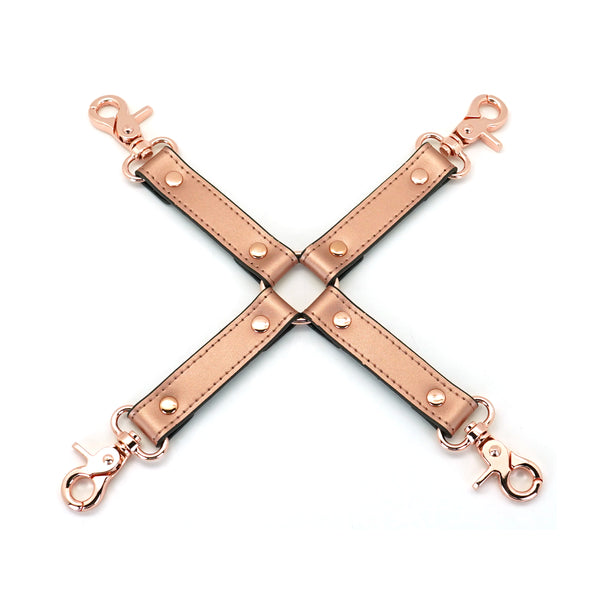
Hogtie: A position where wrists and ankles are bound behind the back, emphasizing vulnerability and a sense of restraint.
-
Frog Tie: A position where the submissive is on their knees with ankles and thighs bound, forcing the legs open to expose the body.
-
Chair Position: The submissive sits on a chair with their legs open, hands placed behind their back or on their thighs. It is adaptable for various types of BDSM play.
-
Over the Knee: The submissive lies face down over the dominant's lap, primarily used for impact play such as spanking. Some enthusiasts use genuine leather spanking paddles.
-
Suspension: A position where a person is lifted into the air using ropes or specialized equipment. It offers extreme vulnerability and opportunities for sensory play, and is frequently used in Japanese Kinbaku.
How to Choose the Right Position
When choosing a BDSM position, consider the following factors:
-
The type of play
-
The partner's comfort and physical ability
-
The intensity of the desired experience
Communication is the most important factor, and flexibility is required to adjust or change positions as needed.
Safety Measures
Prioritizing safety is essential in BDSM play.
-
Clear Communication and Consent: Discuss boundaries, safe words, and expectations before starting a scene.
-
Check Circulation: Be mindful that restraints or positions do not impede blood flow or cause unnecessary pain.
-
Provide Support: Especially in physically demanding positions, ensure the submissive’s stability and comfort.
-
Regular Check-ins: Continuously monitor the condition of both parties during play.
Conclusion
BDSM positions are an exciting and dynamic way to explore power exchange and sensuality. By understanding the significance and diversity of these positions, you can create a more immersive and satisfying BDSM experience.