Rope Play (Shibari): The Basics and How to Get Started
In the world of BDSM (Bondage, Discipline, Sadism, Masochism), rope bondage is a captivating means of expression and a form of communication. Unlike conventional "tying up," rope bondage is a fusion of artistry, emotion, and deep trust between partners. Join us as we unravel the mysteries of rope bondage, exploring its techniques, materials, practical tips, and the best ropes to use in 2024 for everyone from beginners to experts.
What is Rope Bondage?
Rope bondage refers to the act of tying a partner's body with rope as part of BDSM. The techniques range from simple to complex, pursuing both aesthetic sensibilities and sensual experiences. At the core of rope bondage is an emphasis on safety, mutual consent, and communication, making it an intimate experience shared between two people.
Rope bondage is often associated with "Shibari" (Japanese for "to tie"). Shibari is a complex and artistic style of rope bondage that originated in Japan. Known for its delicate patterns and knots, it combines aesthetic beauty with functionality. Shibari emphasizes not only the physical aspect but also the emotional and spiritual connection, elevating rope bondage into a form of artistic expression and emotional release.
Materials Used in Rope Bondage
In rope bondage, choosing the right rope is crucial. The main materials used for ropes include the following:
Cotton Rope
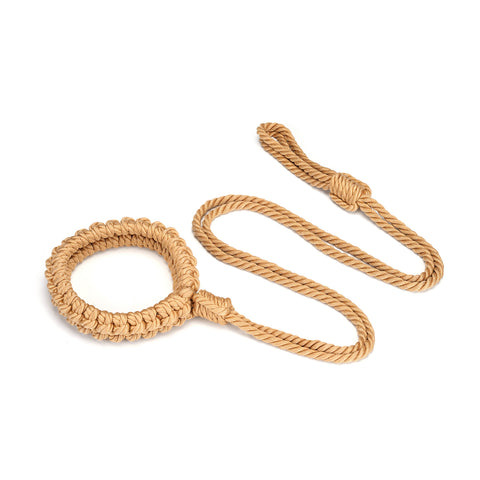
Cotton rope is known for its softness and elasticity, making it highly recommended for beginners. Its skin-friendly texture minimizes irritation and discomfort even during long sessions. However, while it is soft and comfortable, it can stretch or tighten excessively under tension, so the type of tie and duration should be taken into account.
Jute Rope
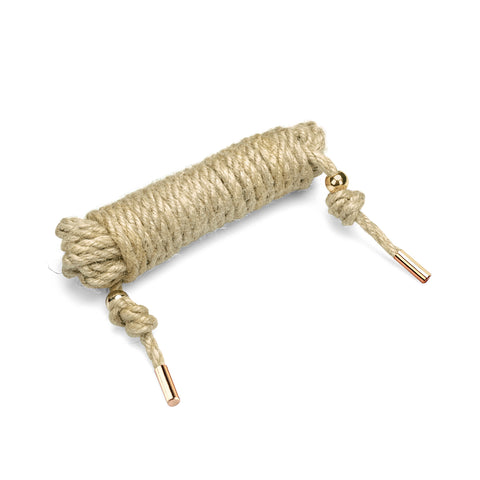
This natural fiber is highly valued in the world of rope bondage for its excellent balance of strength and coarseness. Jute rope is often used for traditional ties, offering a more authentic and immersive experience. Its rough texture stimulates the skin and enhances the sensory experience. It is also aesthetically pleasing, easy to tie, and features a classic, rustic look.
Hemp Rope
Hemp rope is excellent in durability and strength, making it the ideal material for those seeking a more "natural" experience. While similar to jute in terms of natural beauty and sensation, it gradually softens with use. Due to its robustness, it is also suitable for more advanced ties, ensuring safety while maintaining the natural, primitive essence of rope play.
Synthetic Rope (Nylon, Polyester, etc.)
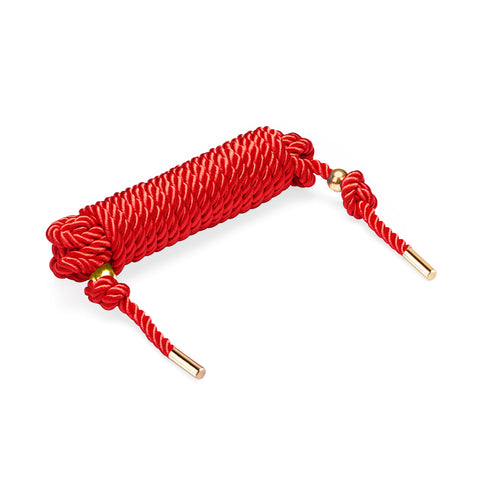
Ropes made from synthetic materials like nylon or polyester are characterized by their vibrant colors, high strength, and ease of maintenance. They are highly abrasion and water-resistant, making them perfect for creating complex designs and knots. Synthetic ropes are also smooth, which reduces the risk of friction burns and provides a different sensory experience from natural fibers. Because of their smoothness and flexibility, they are easy to adjust or release quickly, making them particularly useful for dynamic rope play scenes.
Summary
Since each material offers a different feel and experience, the choice depends heavily on personal preference and the type of bondage to be performed.
Rope Bondage Techniques
Rope bondage techniques are categorized into three main areas: full-body bondage, upper-body bondage, and lower-body bondage, with techniques available for every skill level from beginner to advanced.
1. Full-Body Bondage
Shibari Tortoise Shell
This tie begins with the traditional upper-body tie "Takate Kote," securing the arms behind the back, followed by a decorative pattern covering the chest and shoulders. Further binding the waist and upper thighs creates a shell-like appearance. It highlights the body's natural lines while significantly restricting movement. This complex design completely envelops the upper and lower body, creating a strong sense of submission and helplessness.
Mermaid Leg Tie
Both legs are bound from the waist to the ankles, forming a shape like a mermaid's tail. By completely sealing the movement of the legs, it increases the sensation of restraint. Binding the legs in intricate patterns achieves both aesthetic beauty and secure bondage. This is particularly effective for floor play, psychologically amplifying feelings of helplessness and vulnerability due to the inability to move.
Full Body Lattice
A diamond lattice pattern is created with crisscrossing ropes, enveloping the entire body from shoulders to ankles. This style focuses more on aesthetics and tactile sensations than strict restraint, allowing for some movement. However, the feeling of being enclosed is intense, bringing a unique sensory experience and a deep sense of security. The visual effect of the lattice pattern also plays an important role in the psychological impact.
Hishi Karada (Diamond Body)
Similar to the full-body lattice but more multi-layered, with ropes crossing over the chest, buttocks, and sometimes the genitals to add a sensual element. It is an artistic tie adaptable to various body types and preferences, beautifully emphasizing the curves of the body.
Suspension Tie
An advanced full-body tie where a safe harness is created to support body weight for suspension in the air. By combining a chest harness, buttock support, and thigh ties, the weight is distributed. It is characterized by the "weightlessness" and "sense of liberation" provided by the bondage, but requires advanced technique and safety knowledge.
Ball Tie
The legs are folded toward the chest and held by the arms or tied to the side of the body, compressing the body into a "ball" shape. Extremely restrictive and significantly limiting the body's range of motion, this tie creates a strong sense of helplessness and exposure.
Hogtie
The wrists and ankles are bound behind the back, either tied directly or connected with rope. Used more for complete restraint than aesthetics, it is frequently used in dominance and submission scenarios. Because it extremely limits movement, psychological tension is heightened.
Crab Tie
The knees are bent, binding the thighs to the calves, and the wrists are secured to the knees or thighs. This is a full-body tie aimed at fixation and exposure rather than complex patterns, used to restrict movement.
Ebi Shibari (Shrimp Tie)
The body is bent forward, the arms are bound behind the back, and the legs are tied from the ankles to the thighs, slightly bent, and pulled upward toward the back. Characterized by arching the body like a shrimp, this is intended for short-term play to emphasize vulnerability and discomfort.
2. Upper-Body Bondage
Takate Kote (Box Tie)
The fundamental classic Shibari tie, in which the arms are secured behind the back and a rectangular pattern is created on the chest. While caution regarding nerve compression is necessary, it can be used alone or as a foundation for further binding.
Chest Harness
Covers the torso without binding the arms, functioning as decoration or a connection point. There are various variations that emphasize the curves of the body, and it can be used to apply pressure or be combined with other ties.
Arm Binder
Binding the wrists to the elbows vertically behind the back pulls the shoulders backward, resulting in a very high level of restraint. Caution regarding strain on the shoulders is necessary; it is often used in combination with other ties.
Arm Column
The rope is wrapped from the shoulders to the wrists, securing the arms into an immovable pillar shape. It completely denies the use of the arms, but care must be taken regarding blood circulation and nerve impact.
Shibari Rope Corset
A corset made of rope is wrapped around the waist and extended to the chest, creating an effect similar to a traditional corset. The primary purpose is aesthetic, highlighting the curves of the body and forming visually beautiful patterns. The tightness is adjustable, and by adding rope around the armpits or neck, one can pursue the desired effect and comfort.
Diamond Harness
A decorative tie that creates a diamond pattern on the chest (and sometimes the back). It can be used in combination with other ties like Takate Kote to provide more comprehensive upper-body restraint, or it can be used alone as an aesthetic accent. While less restrictive than other upper-body ties, it can provide moderate pressure and sensual stimulation by clinging to the body.
3. Lower-Body Bondage
Thigh Tie (Frog Tie)
A classic Shibari technique that binds the thighs and calves, fixing the knees in a sharply bent position. It is named for the frog-like posture it creates. This constriction intensifies sensations and is often used for floor play or as part of a suspension. Because of the strong pressure applied, checking blood circulation is essential.
Ankle to Thigh Tie
By tying the ankles to the opposite thigh, one can restrict movement while creating a beautiful posture. It can be performed with one or both legs and is suitable for exposing specific parts or creating a sense of helplessness. Tying tightly around the ankles emphasizes the body's lines and combines secure restraint with stimulation.
Shinju Tie
Originally referring to a technique for binding the chest, this principle is applied to the lower body to bind both legs into a pillar shape. It is a highly versatile technique that fixes the thighs and calves straight, and can be connected to a chest harness or combined with the limbs.
Leg Ladder Tie
A decorative tie that combines vertical and horizontal lines on the legs to create a ladder-like pattern. While less restrictive than other ties, it limits movement depending on how it is wrapped and tightened. Because it is visually striking, it is used as part of larger scenarios to enhance the overall aesthetic while creating a sense of being bound.
Ball Tie (Lower Body Version)
A variation that binds the lower body by pulling both legs toward the body. Compared to the original technique of balling the entire body, this is specialized for the lower body. It can be combined with upper-body ties for complete immobilization and is a powerful tool for emphasizing a partner's helplessness in dominance and submission relationships.
Ankle Tie
Restricts leg movement by binding both ankles tightly together. It can be used alone or as part of a larger bondage. It is often adopted in "dilemma bondage" scenarios where the wearer is forced to choose between maintaining balance and enduring discomfort, as the stride is inevitably shortened.
A tie that restricts leg movement by binding both ankles securely together. It can be used as a standalone tie or integrated into a larger bondage scene. This tie necessitates a shorter stride and significantly limits the range of activity, though some movement remains possible. It is frequently employed in "dilemma bondage" scenarios, forcing the restrained party to choose between maintaining their balance and enduring physical discomfort.
About LIEBE SEELE
LIEBE SEELE fuses traditional techniques with a modern aesthetic to manufacture high-quality Shibari ropes. From passionate red Shibari ropes and elegant black Shibari ropes to authentic natural hemp ropes, we offer a lineup that satisfies everyone from beginners to experts. Each product is crafted with attention to detail and designed with deep respect for the art of Shibari. We provide an experience that balances comfort and safety, combining functionality with aesthetic sensibility.