Temptation for Feet: A Complete Guide to Foot Fetishism
Introduction
Foot fetishism is one of the most universal yet misunderstood sexual preferences, focusing on the aesthetic and sexual appeal of the human foot. Its history dates back to ancient times, with feet holding symbolic and religious significance across diverse cultures. This guide explores the history, psychological background, and modern manifestations of foot fetishism to help provide a deeper understanding of this unique form of desire.
The History of Foot Fetishism
The worship of, or fetishism toward, feet has existed across eras and cultures.
-
Ancient Egypt: Feet were adorned with ornaments, and their beauty was emphasized in art.
-
Ancient China: In the practice known as foot binding, small, delicate feet were considered symbols of wealth and beauty.
-
Classical Antiquity (Greece and Rome): Feet were celebrated in art, mythology, and literature, and were depicted as erotic symbols.
The Psychology of Foot Fetishism
It is believed that the following psychological factors contribute to this preference:
-
Classical Conditioning: Early childhood experiences of "contact with feet" (such as tickling) may become linked to pleasure, influencing later sexual preferences.
-
Neuroscientific Factors: The area of the brain that processes sensory information from the feet is adjacent to the area that processes sexual stimulation, which may be a contributing link.
-
Evolutionary Explanations: Some theories suggest that foot characteristics (such as shape and health) once functioned as criteria for evaluating a potential mate.
Types of Foot Fetishism
Preferences for feet vary significantly among individuals and are primarily classified into the following types:
-
Aesthetic Appreciation: Attraction to visual elements such as foot shape, size, or nails.
-
Sensory Experience: Seeking tactile pleasure through activities like touching, enjoying the scent of, or licking the feet.
-
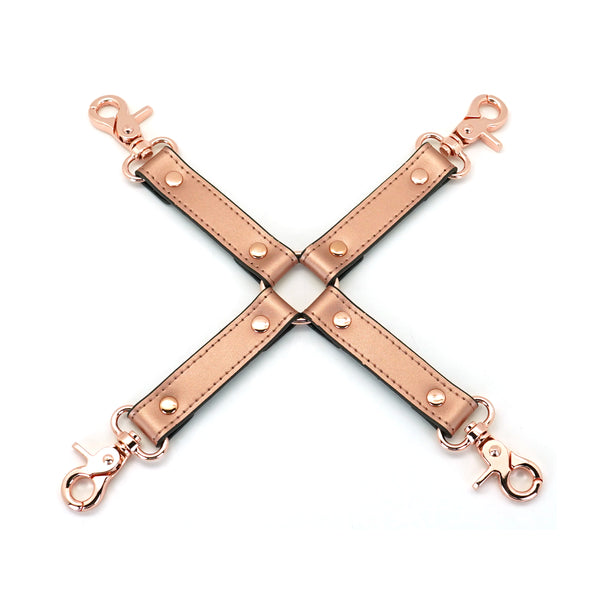
Adornment and Footwear: Excitement derived from decorating feet with high heels, stockings, BDSM cuffs, ropes, or toe rings.
-
Dominance and Submission: Foot worship can be part of a power exchange, where a submissive partner views the dominant person's feet as an object of worship.
Foot Fetishism in Pop Culture
-
Quentin Tarantino: Close-ups of feet frequently appear in his films, reflecting his own fetishism.
-
"Friends": This show featured an episode about a foot fetish, treating it as a comedic subject.
-
Modern Art: Artists such as Andy Warhol and Sarah Lucas have expressed foot fetishism in their work.
Accepting and Exploring Foot Fetishism
Ways to enjoy this preference positively:
-
Communication: Talk openly with your partner to deepen trust and understanding.
-
Experimental Play: You can discover new pleasures by incorporating foot massages, pedicures, foot-based roleplay, or BDSM elements (such as rope bondage or sensation play with feathers).
-
Self-Acceptance: Acknowledging your preferences can lead to a more fulfilling sex life and personal growth.
Conclusion
Foot fetishism is a fascinating phenomenon that reflects the diversity of human sexuality. By understanding its historical and psychological background and approaching it with an open mind, one can achieve a richer sex life and better self-understanding.