September 19, 2025
Exploring BDSM Collars: Symbolism, Types, and Usage
BDSM is a lifestyle revolving around power dynamics, sensations, and trust, and within that world, there exists a variety of practices, tools, and symbols. One of the most recognizable of these symbols is the collar. For those new to the world of BDSM or interested in the role of collars, this blog explores the significance, types, and usage of BDSM collars in relationships. From serving as a symbol of submission to practical use in play, a collar is more than just an accessory — it carries deep meaning and can significantly enhance the power exchange experience.
1. What is a BDSM collar?
At its core, a BDSM collar is a piece of jewelry or a restraint worn around the neck, typically symbolizing the wearer's submission or devotion to the dominant party. In the BDSM community, it is often viewed as a symbol of commitment in a Dominant/submissive (D/s) relationship or as a mark indicating that one is "owned."
However, a BDSM collar is more than just aesthetic. It carries deep psychological and emotional meaning, and its design, material, and significance vary greatly depending on the individuals involved. Some may wear a collar at all times to remind them of the relationship dynamic, while others may wear it during play to reinforce roles or enhance the atmosphere of a scene.
2. Symbolism of the BDSM collar
While collars in BDSM have powerful symbolic meaning, it is important to understand that this meaning differs from person to person and couple to couple. The main perspectives from which collars are viewed within BDSM culture are as follows:
a. Ownership and commitment
One of the most common symbols of a BDSM collar is ownership. A collar can represent the dominant party controlling and owning the submissive party. For many, this is a form of consensual, deeply meaningful connection, where the collar symbolizes trust, devotion, and the role the submissive has agreed to take on.
In more formal D/s dynamics, the act of "collaring" signifies that the submissive has been officially "owned" by the dominant. This serves as a milestone in long-term relationships, similar to an engagement ring in traditional relationships. While some wear their collars 24/7, others only wear them during play or specific rituals. Collars are also often used in combination with other BDSM gear such as BDSM handcuffs, leg cuffs, or paddles.
b. Power exchange
A collar often serves as a visual marker of the power exchange dynamic existing between the dominant and submissive. The act of a dominant placing a collar on a submissive symbolizes control over the submissive's actions, thoughts, and desires. In this dynamic, the collar acts as a physical reminder of the power dynamic and also symbolizes the submissive's willingness to follow the dominant's lead. It is also a good idea to incorporate BDSM handcuffs, leg cuffs, or paddles.
c. Protection and care
While a collar may symbolize ownership and control, it can also represent protection and care. For many submissives, wearing a collar provides a sense of security and represents trust in the dominant party. A collar may symbolize that the submissive is under the care of a responsible, protective dominant and that their safety, well-being, and boundaries are respected.
3. Types of BDSM collars
There is a wide variety of styles, materials, and designs for BDSM collars, each with its own unique symbolism, functionality, and aesthetic appeal. Below are some common types of BDSM collars:
a. Fashion collars
Fashion collars are usually lightweight and made of leather, fabric, or metal, and are often worn as a means to express one’s BDSM identity without indicating a specific commitment or D/s relationship. These collars can serve as a statement of personal identity, an accessory to enhance one’s style, or a tool for use in scenes or play.
Fashion collars are designed to be subtle enough for everyday wear in public, and while they may feature decorative elements like studs, spikes, or chains, they do not necessarily carry the deep emotional or symbolic meaning of other types of collars.
b. Training collars
Training collars are often used in the early stages of a D/s relationship or dynamic. They are frequently worn during specific training sessions or when practicing power exchange. The collar serves as a reminder of the submissive’s role and the expectations set by the dominant.
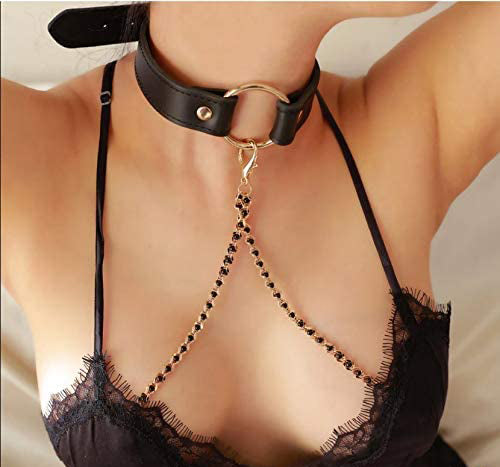
These collars are not necessarily worn all the time, but they can act as a useful tool for reminding the submissive of their behavioral, psychological, and emotional training goals. Training collars often feature rings, chains, or tags that can be used for practical purposes during BDSM play, such as attaching the submissive to the dominant or using them for other forms of restraint and control.
c. Permanent (24/7) collars
A permanent collar is usually a symbol of a more formal commitment in a long-term D/s relationship. For some, it represents a level of devotion comparable to a wedding ring. Permanent collars are worn constantly, both in private and in public, to indicate that the wearer is in a committed D/s relationship with a dominant party.
The collar can be a simple leather band, a more ornate design, or even a custom piece with special personal meaning for the couple. For some, the collar becomes a part of their identity, with constant wear reinforcing the submissive's role and the relationship dynamic.
d. Play collars
Play collars are typically worn during specific BDSM scenes or sessions, with a focus on exploring power dynamics, dominance, and submission. These collars are designed for temporary use during play and feature additional functionality like D-rings, buckles, or chains, allowing for restraints or other interactive elements during a scene.
These collars are often adjustable, versatile, and functional, making them easy to remove once the scene has ended. They may have fewer aesthetic flourishes than fashion collars, but they are designed to support the practical elements of BDSM play (e.g., attaching leashes or chains). Combining them with other BDSM tools like handcuffs, leg cuffs, or paddles can add a variety of sensations.
e. Collars with engravings or tags
Some collars feature engraved tags similar to dog tags, which contain personal information about the wearer. These tags may include the submissive's name, the dominant's name, or other symbols or codes meaningful to the couple or the community.
Engraved collars can heighten the sense of ownership and commitment, making the dynamic feel more official. The engraving is a symbol of trust and can represent a physical and emotional connection. In some cases, the engraving may include safewords or phrases to assist with communication during play.
4. Choosing the right collar
When selecting a BDSM collar, there are several factors to consider, including fit, material, and meaning. Below are some tips for choosing the right collar for yourself or your partner:
a. Fit and comfort
A collar must be comfortable to wear, especially if it is intended to be worn for long periods. It should be adjustable and fit snugly (but not so tight as to cause excessive tension), allowing for movement while staying in place. Leather or fabric collars are often more comfortable for extended wear, whereas metal collars, while carrying a stronger symbolic weight, may be less comfortable for daily use.
b. Material and durability
A wide range of materials is used for collars, including leather, metal, silicone, fabric, and rubber. Leather is one of the most common materials due to its durability, flexibility, and comfort. Metal collars, on the other hand, are heavier and often used as symbols of permanent or serious commitment, while fabric collars are softer and used more in casual or play-based scenarios.
Consider the material in relation to how often the collar will be worn and how it will be used. A daily-use collar requires durability and comfort, while a collar used during intense play must be able to withstand the planned activities.
c. Aesthetic appeal
While the symbolism and functionality of the collar take priority, aesthetic elements should also be considered. Choose a collar that fits your personal style, whether it be minimalist, ornate, or bold. Some people prefer a simple black leather collar, while others favor more decorative designs with rivets, spikes, chains, or jewels.
The appearance of the collar can enhance the experience for both the dominant and the submissive by adding an element of visual enjoyment that complements the emotional and physical aspects of the BDSM dynamic.
The appearance of the collar can enhance the experience for both the dominant and the submissive by adding an element of visual enjoyment that complements the emotional and physical aspects of the BDSM dynamic.
5. The role of communication in collar usage
As with all BDSM practices, communication is key when it comes to the use of a collar. It is essential that both the dominant and submissive parties discuss the role of the collar, expectations regarding its wear, and how it will be used openly.
Important points to cover in communication include:
- When to wear the collar: Will it be worn 24/7, only during specific activities, or only during play sessions?
- What the collar symbolizes: Ownership, commitment, or something else?
- What happens when the collar is removed: What are the expectations if the collar is taken off? Does it signify a change in the dynamic, or is it merely for practical reasons?
- Safewords and boundaries: Establishing how the collar is used in relation to safewords and limitations.
6. Conclusion
A BDSM collar is more than a fashion item or piece of jewelry. It holds significant emotional, psychological, and symbolic weight within the BDSM community.