September 19, 2025
10 Great Ways to Reward Your Submissive
In the world of BDSM, the relationship between a dominant and a submissive is complex and deeply rooted in mutual understanding of trust, respect, and communication. Acknowledging and rewarding a submissive's devotion and service not only strengthens the bond but also enhances the dynamics of the entire relationship. In this guide, we explore 10 thoughtful ways to reward a submissive to acknowledge their loyalty, effort, and unique role within the partnership. From verbal praise to personalized gifts, these rewards are essential in fostering a fulfilling and powerful BDSM relationship.
1. Verbal Praise
Verbal praise is a powerful tool to reinforce a submissive's actions and solidify their role within the relationship. It is more than just light flattery; it emphasizes the importance of specific actions by recognizing them immediately and sincerely. For instance, after a submissive completes a specific task or follows an instruction particularly well, the dominant might state, "Your attentiveness to my preferences today was exceptional, thank you." Such specific and immediate feedback not only clarifies desirable behavior but also boosts the submissive's sense of achievement and belonging.
Strategic use of verbal praise can significantly influence a submissive's psychological and emotional state. By focusing on specific behaviors, a dominant helps nurture habits and attitudes, deepening the connection and trust within the dynamics. Furthermore, genuine and varied expressions of appreciation help maintain a submissive's motivation and satisfaction within the relationship. Regular yet thoughtful praise builds a submissive's confidence and willingness to engage, fostering a healthier dynamic where both parties feel valued and respected.
2. Physical Affection
Physical affection plays a unique role in BDSM relationships, serving as both a reward and a way to deepen the emotional connection between dominant and submissive. Gentle touches, massages, or cuddling can be tailored to the submissive's preferences, reinforcing feelings of security and being cared for within the dynamics. For example, a dominant can offer a comforting hug or a soothing hand massage in response to a submissive's obedience or endurance during a scene. These actions not only reward but also help calm the submissive, especially after an intense session.
The effectiveness of physical affection as a reward hinges on its alignment with the submissive's emotional and physical preferences. It is essential for the dominant to understand and follow these preferences to ensure that the expression of affection is truly comfortable and rewarding. Some submissives may find certain types of touch more reassuring or pleasurable, which can be incorporated into the reward system. For instance, a submissive who feels loved through physical closeness might appreciate post-scene cuddling, while another might prefer the intimate and relaxing touch of a massage. This not only meets the submissive's needs but also enhances their trust and the overall health of the relationship, making them feel valued and cared for.
3. Surprise Rewards
Surprise rewards are a powerful way to enhance BDSM relationship dynamics and make a submissive feel valued. These rewards are not tied to specific tasks but are given to recognize the submissive's overall attitude and dedication to the relationship. Unexpected treats or gestures—such as a sudden invitation to dinner, a small gift, or planning an unexpected outing—can inject excitement and joy into the relationship. These surprises convey appreciation and recognition, reinforcing the submissive's emotional investment and effort.
The surprise element of these rewards can strengthen the submissive's feeling of being cherished in the eyes of the dominant. When planning a surprise, it is important to align it with the submissive's interests and desires. For example, a book by a favorite author or tickets to an event they have been wanting to attend can make the reward deeply personalized and meaningful. This strategy not only reinforces the submissive's behavior but also strengthens the emotional bond between partners, making the dynamics more robust and fulfilling. However, it is important to ensure these rewards do not come with additional expectations or conditions; their core purpose is to celebrate the submissive's role and contribution to the relationship.
4. Strategic Use of Special Privileges
Granting special privileges or occasionally relaxing rules can be a highly effective reward in BDSM relationships. This approach not only recognizes good behavior in a submissive but also adds an unpredictable element that keeps the dynamics fresh. Special privileges might include permission to have a favorite food that is usually restricted, a temporary relaxation of specific policies, or authorization for a special outing that deviates from the normal routine. These rewards signal to the submissive that their efforts are acknowledged and valued, increasing their motivation and satisfaction.
It is essential that these privileges are personalized. For instance, if a submissive particularly enjoys a specific cuisine, a surprise dinner at their favorite restaurant can be a poignant reward. Similarly, providing a break from normal duties on a day when the submissive particularly needs rest, or offering opportunities for leisure activities like a movie night, can significantly enhance their well-being and happiness. These privileges need to feel like genuine rewards rather than routine changes, serving as an effective tool for reinforcing desirable behavior and maintaining healthy power dynamics.
5. Personalized Gifts
Personalized gifts are a profound way to reward a submissive in a BDSM relationship, demonstrating attentiveness to the submissive's personal tastes and interests. By choosing specifically customized gifts—such as a book by a favorite author, items related to a hobby, or professional gear for BDSM activities—the dominant reinforces their understanding and appreciation of the submissive's unique personality and preferences. Such thoughtfulness significantly deepens the emotional bond between partners and confirms that the submissive is a valued presence within the relationship.
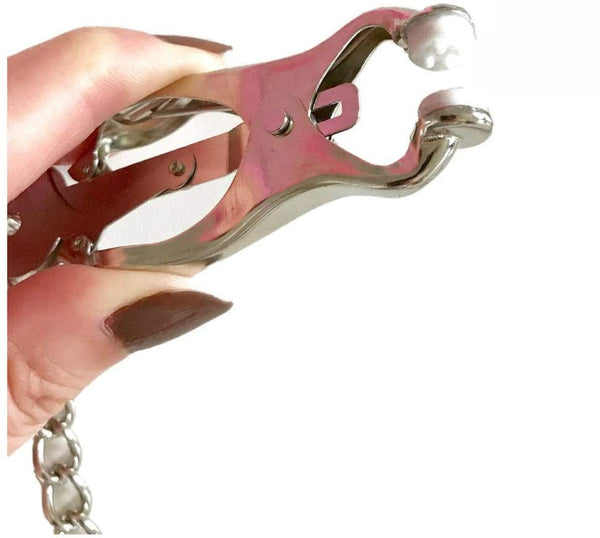
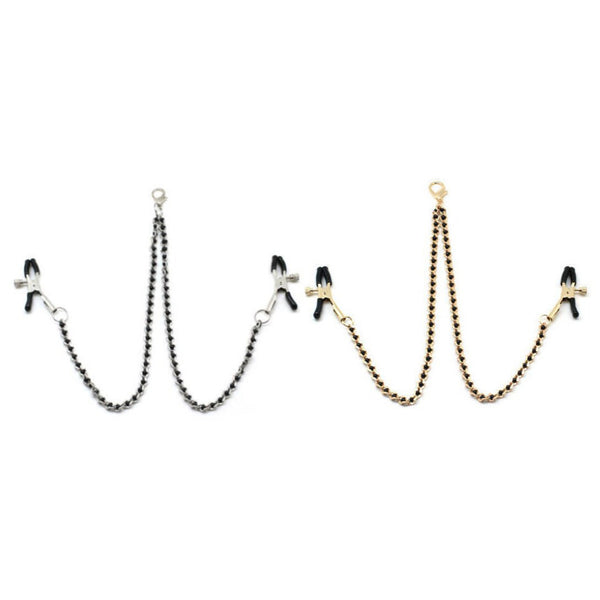
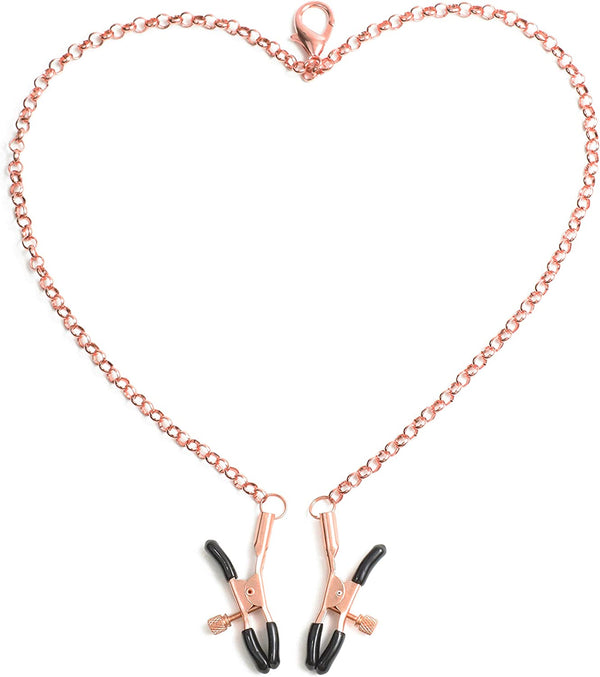
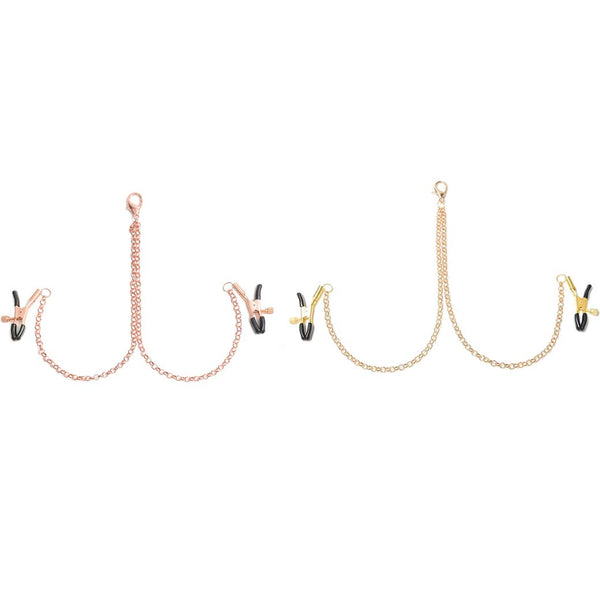
Choosing the right gift requires a keen understanding of the submissive's desires and the subtle nuances of their interests. For example, if a submissive is an avid reader of fantasy novels, finding a rare edition of a favorite book can demonstrate a deep personal commitment. For those actively involved in BDSM, specific gear suited to their role (such as custom-colored items, unique restraints, or aesthetically pleasing toys) can enhance their experience and show the dominant's investment in the shared lifestyle. This approach not only delights the submissive but also reinforces their trust and openness, serving as a key element for strengthening BDSM dynamics.
6. Dedicated Time
Dedicated time spent together is a valuable reward that emphasizes mutual enjoyment and connection between the dominant and submissive. Engaging in activities that both partners enjoy not only fosters a deeper emotional bond but also provides a temporary respite from the structured aspects of their dynamics. Activities such as watching favorite movies together, taking a leisurely walk, or participating in a shared hobby provide opportunities for relaxed interaction and communication. This dedicated time is crucial for maintaining a balanced relationship dynamic, where both partners can express themselves freely and enjoy each other's company outside of the D/s context.
To use dedicated time effectively as a reward, it is important to consider activities that both parties genuinely enjoy. This might mean stepping away from typical power-exchange roles at times to be together in a more egalitarian setting. For example, planning a surprise movie night to see a new film of mutual interest, or spending an afternoon together exploring a new hiking trail, can dramatically enrich the relationship. These activities should be viewed as special occasions that honor the relationship beyond BDSM elements, reinforcing the dominant's care and respect for the submissive's overall well-being and comfort.
7. Recognition of Efforts
Publicly acknowledging a submissive's efforts and contributions in an appropriate setting, such as at BDSM community events or within shared social circles, can be a powerful and validating reward. This form of recognition not only legitimizes the submissive's devotion and service but also enhances their social standing and self-esteem within the community. When a dominant publicly praises and acknowledges a submissive's achievements or actions, it sends a clear message of permission and pride, which is highly motivating for the submissive.
In order for public recognition to be effective and appreciated, it must be executed with consideration for the submissive's comfort level and the norms of their community. For example, at a community gathering, the dominant might highlight the submissive's recent progress, their role in organizing an event, or their contributions to a community project. Such recognition must be genuine and commensurate with the effort the submissive has put forth, avoiding grandiosity that might feel disingenuous or embarrassing.
This type of reward also reinforces the bond between the dominant and submissive, reaffirming that the submissive plays a valued role in both the personal dynamic and the wider community. It boosts the submissive's morale, encouraging them to keep trying, knowing that their contributions are seen and appreciated not just by the dominant but by their peers. This reinforcement by the community can significantly enrich a submissive's sense of belonging and achievement within the BDSM lifestyle.
8. Training Opportunities
Providing opportunities for further training and development, such as workshops, courses, or seminars, is a vital way to reward a submissive and demonstrate investment in their growth within the BDSM lifestyle. This form of reward not only recognizes the submissive's effort and dedication but also facilitates their personal and role-specific development. By providing access to new skills or knowledge, the dominant directly contributes to the enrichment of the submissive's experience and their ability to engage more deeply in their role.
When considering training opportunities as a form of reward, it is essential to select programs that align with the submissive's interests and the goals of the dynamics. For example, a dominant might have a submissive attend a bondage workshop if that is an area both are eager to explore. Classes on safe and consensual practices in BDSM are particularly rewarding, offering both practical skills and the opportunity to deepen shared interests.
Furthermore, these opportunities can be structured as special occasions where the dominant emphasizes their appreciation for the submissive's commitment. Attending these events together also provides a shared experience that is both educational and bonding, which can strengthen the relationship. This approach not only enhances the submissive's abilities but also demonstrates a clear commitment to their development and satisfaction within the relationship.
9. Service Opportunities
Giving a submissive the opportunity to perform special services or tasks can be a meaningful reward for those who find great pride and achievement in a service role. These opportunities allow the submissive to demonstrate their loyalty, skills, and dedication to pleasing the dominant. For instance, a dominant might ask a submissive to prepare a special meal—an act that links service with personal care—or to organize an event, showcasing the submissive's organizational skills and attention to detail.
To maximize the use of these service opportunities as a reward, it is important that they be viewed as a privilege rather than an expectation. This distinction highlights the task as an honor and increases the submissive's sense of achievement upon completion. The selected task should be challenging and enjoyable, tailored to the submissive's abilities and interests. For example, if a submissive enjoys culinary activities, preparing a gourmet dinner might be a rewarding experience. Alternatively, if they have a talent for event planning, organizing a play party or social gathering for fellow BDSM practitioners could be highly satisfying.
10. Deepening Intimacy and Connection
Intimacy and connection are at the heart of BDSM dynamics and can be significantly enhanced by engaging in activities tailored to the submissive's desires. Exploring new facets of BDSM or offering a session dedicated to fulfilling the submissive's specific fantasies can serve as the ultimate reward. Such experiences not only fulfill the submissive's emotional and physical needs but also reinforce their trust in the dominant's ability to understand and fulfill their deepest desires.
When planning these intimate experiences, it is essential that the dominant fully understands the submissive's preferences and boundaries. This might involve detailed discussions about the fantasies or new activities the submissive wants to explore, ensuring that all actions are consensual and eagerly anticipated. For example, dedicating a session to a specific scenario the submissive has always wanted to experience can be highly rewarding and validating for them.
Conclusion
Rewarding a submissive is about confirming their value, devotion, and essential role in the BDSM dynamics. All the methods discussed are intended to strengthen the bond between the dominant and the submissive. By implementing these rewards, a dominant not only fosters continued growth and satisfaction in the submissive but also promotes dynamics characterized by ongoing mutual respect and care.